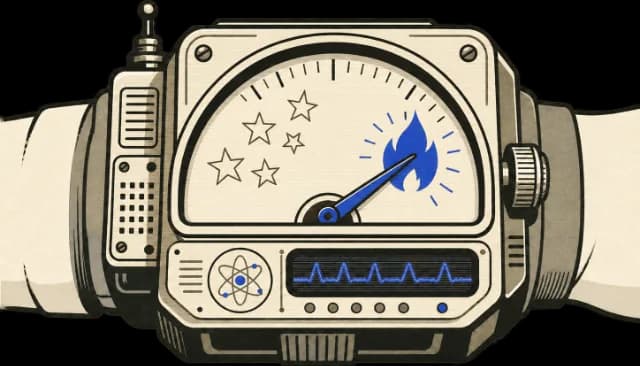
Traction scoreGitHub stars can be faked, so popularity alone can be misleading. Traction Score looks for broader signs of recent attention, adoption, and active maintenance.
This skill retrieves captions and subtitles from YouTube videos without requiring an API key. It allows users to archive spoken content as Obsidian-ready notes or analyze transcripts to answer specific questions with timestamped references.
By integrating creator metadata, chapters, and source provenance, it helps researchers and automation builders transform video content into searchable, text-based documentation.
WHO IT'S FOR
Obsidian users
archiving YouTube content as markdown notes
AI agent / automation builders
integrating YouTube transcript retrieval into workflows
Compatible AgentsThe repository documents support for these agents. The skills may also work with other agents that can load SKILL.md files, but they may need some setup or small changes.
In a terminal, change to the installed skill directory, then create an isolated environment, install the required dependencies, and check them with these commands.
Before using the documented `python3` examples, activate the environment with `source .venv/bin/activate`; alternatively, use the virtual environment's full interpreter path every time. An agent must also use that interpreter. If the skill installation is read-only, create the environment in a writable location and pass the full path to `requirements.txt`.
In Windows PowerShell, change to the installed skill directory, then create an isolated environment, install the required dependencies, and check them with these commands.
When using the skill, consistently invoke Python through the virtual environment's full interpreter path, `.venv\Scripts\python.exe`. An agent must also use that interpreter. If the skill installation is read-only, create the environment in a writable location and pass the full path to `requirements.txt`.
In a terminal, change to the cloned repository directory, then create an isolated environment, install the required dependencies, and check them with these commands.
Before using the documented `python3` examples, activate the environment with `source .venv/bin/activate`; alternatively, use the virtual environment's full interpreter path every time. An agent must also use that interpreter. If the cloned skill directory is read-only, create the environment in a writable location and pass the full path to `requirements.txt`.
In Windows PowerShell, change to the cloned repository directory, then create an isolated environment, install the required dependencies, and check them with these commands.
When using the skill, consistently invoke Python through the virtual environment's full interpreter path, `.venv\Scripts\python.exe`. An agent must also use that interpreter. If the cloned skill directory is read-only, create the environment in a writable location and pass the full path to `requirements.txt`.
A Python interpreter with the skill's dependencies installed
Network access to YouTube captions
Use the youtube-fetcher skill to summarize what was said in [YOUTUBE URL]. Include timestamp links for the most important moments where useful. Retrieve the captions for analysis without saving an extra archival note unless needed. Replace [YOUTUBE URL] with a public YouTube URL whose captions are accessible.
 Claude
 Codex
Codex Cursor
 Gemini CLI
 Windsurf